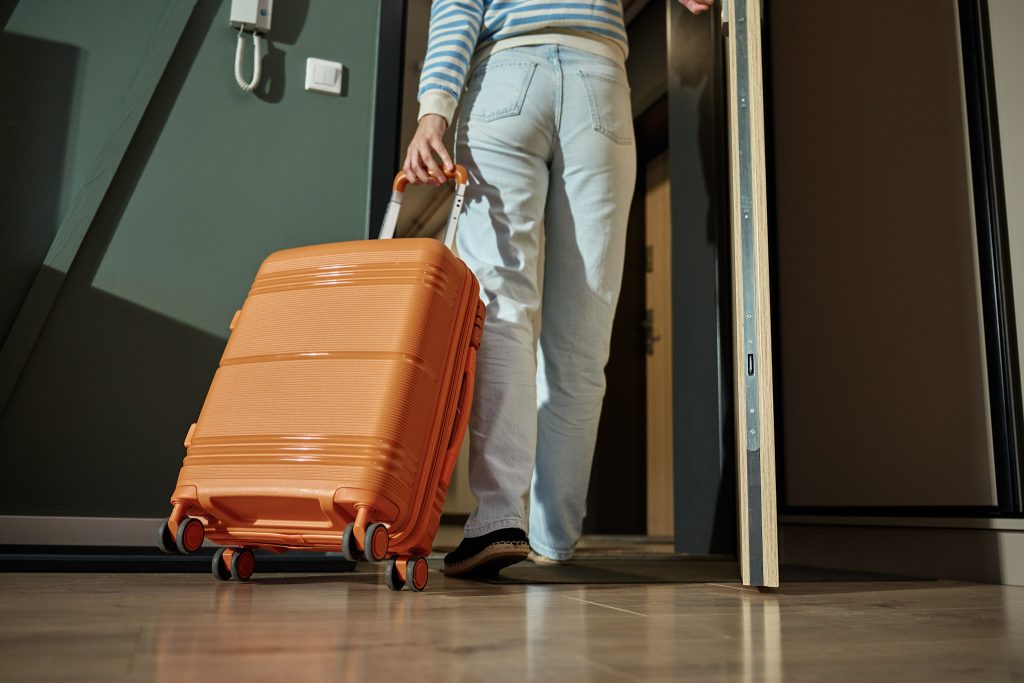
Whether you’re heading on a quick weekend getaway or planning a cross-country trip, leaving your home unattended can come with its risks. From break-ins and burst pipes to power outages and package thefts, unexpected issues can arise when no one’s around to keep an eye on things.
The good news? With a few simple precautions, you can protect your property, reduce the risk of costly damage, and enjoy your time away with peace of mind.
Before you pack your bags, consider these home safety tips:
Secure all entry points
Start with the basics: ensure that all doors and windows are locked securely before you leave. This includes often-overlooked spots like basement windows, side doors, and garage entrances. If your locks are outdated or flimsy, consider upgrading to deadbolts or reinforced strike plates for added protection.
Avoid hiding spare keys in obvious spots like under the doormat or in a flowerpot. These are the first places intruders check. Instead, leave a spare key with a trusted neighbour, friend, or family member who can access your home in case of an emergency.
Make your home appear lived in
A dark, quiet house with an overflowing mailbox is a clear signal that nobody’s home. To create the illusion of activity, set timers on your indoor and outdoor lights to turn on and off at staggered intervals. This mimics your usual routines and helps disguise your absence.
In the winter months, arrange for snow removal, even if you’re away for just a week or two. A driveway that hasn’t been shoveled or walked on is a dead giveaway that a home is vacant. Asking someone to leave fresh tire tracks or footprints can go a long way in making your home look occupied.
Ask someone to check in regularly
One of the most effective ways to safeguard your home is to have someone check on it while you’re away. Ask a neighbour or friend to stop by every few days to collect your mail and packages, water indoor plants, and look for signs of trouble, such as leaks, storm damage, or electrical issues.
Many insurance providers require that someone inspect the property at regular intervals for coverage to remain valid during longer absences. Be sure to check your policy or speak with your insurer before your departure.
Protect your valuables and prevent damage
Take steps to secure any valuables that remain in the home. Jewelry, cash, passports, and sentimental items should be placed in a locked home safe or stored off-site in a safety deposit box. Keep curtains and blinds closed or partially drawn to prevent prying eyes from seeing inside.
If you’re planning to be away for more than a few days, consider unplugging non-essential electronics to protect them from power surges and reduce fire risk. For longer trips, shut off your main water supply to help prevent frozen or burst pipes, particularly during the colder months.
Use security technology
Smart home technology can enhance your home’s safety while giving you peace of mind. Security cameras, video doorbells, and alarm systems can act as both deterrents and monitoring tools. Many modern systems let you check in remotely, receive real-time notifications, and even speak to visitors at your front door.
If you already have a security system in place, test it before you leave to ensure it’s functioning properly. If you don’t, even simple plug-and-play cameras or app-enabled door sensors can provide added assurance.
Be cautious with social media
As tempting as it may be to share your vacation excitement in real time, doing so can alert others that your home is vacant. It’s best to wait until you’re back before posting photos or updates from your trip, especially if your social media accounts are public. Broadcasting your absence can make your property a potential target for theft.
Final checklist before you go
To make things easier, here’s a quick summary of key tasks to complete before you head out the door:
Lock all windows and doors securely
Set light timers on a natural schedule
Leave a key and instructions with someone you trust
Unplug non-essential electronics
Shut off the water (for long trips)
Test or install smoke and carbon monoxide detectors
Check and update your home insurance policy, if necessary
Hold mail delivery or have someone collect it
Avoid advertising your absence online
Taking the time to prepare your home before you travel can help you avoid unwanted surprises and enjoy your time away with confidence. A little planning now can save you a lot of stress and money down the line.
Mortgage before marriage? Canadians are prioritizing home ownership over wedding...
2026, may 21
82% of respondents say they would scale back or forgo a wedding to put money toward a down payment on a home With the rising cost of living continuing to reshape financial priorities, more Canadians are rethinking the traditional “dream wedding” in favour of a different long-term goal: home ownership. From smaller guest lists and
Home Articles Market Trends Bank of Canada holds rate at...
2026, may 02
Rising energy prices reintroduce risk of higher interest rates as inflation pressures return. In its third scheduled announcement of 2026, the Bank of Canada held the target for the overnight lending rate at 2.25%. This marks the fourth consecutive hold to interest rates since October of last year. Rising global energy prices tied to the conflict in
Selling in the Laurentians: Strategies That Make All the Difference
2026, april 23
Long driven by strong demand, the real estate market in the Laurentian particularly in Saint-Sauveur and Morin-Heights is evolving. While it remains dynamic, it is now much more selective. This reality is fundamentally changing the way properties are sold. Today, buyers are no longer just looking for a house. They’re looking for a lifestyle and
To deliver the best experiences, we use technologies such as cookies to store and/or access device information. Consenting to these technologies will allow us to process data such as browsing behavior or unique IDs on this site. Failure to consent or withdrawal of consent may adversely affect certain features and functions.
Functional
Always active
Storage or technical access is strictly necessary for the legitimate purpose of enabling the use of a specific service explicitly requested by the subscriber or user, or for the sole purpose of carrying out the transmission of a communication over an electronic communications network.
Préférences
Le stockage ou l’accès technique est nécessaire dans la finalité d’intérêt légitime de stocker des préférences qui ne sont pas demandées par l’abonné ou l’utilisateur.
Statistics
Le stockage ou l’accès technique qui est utilisé exclusivement à des fins statistiques.Storage or technical access that is used exclusively for statistical purposes.
Marketing
Storage or technical access is necessary to create user profiles in order to send advertisements, or to track the user on a website or on several websites with similar marketing purposes.